South Korea's Financial Regulators Press Crypto Industry on Internal Controls and Institutional Market Access
Seoul's top regulators just told Korean crypto exchanges to fix their internal controls — or die.
The Bitcoin Overpayment Wake-Up Call
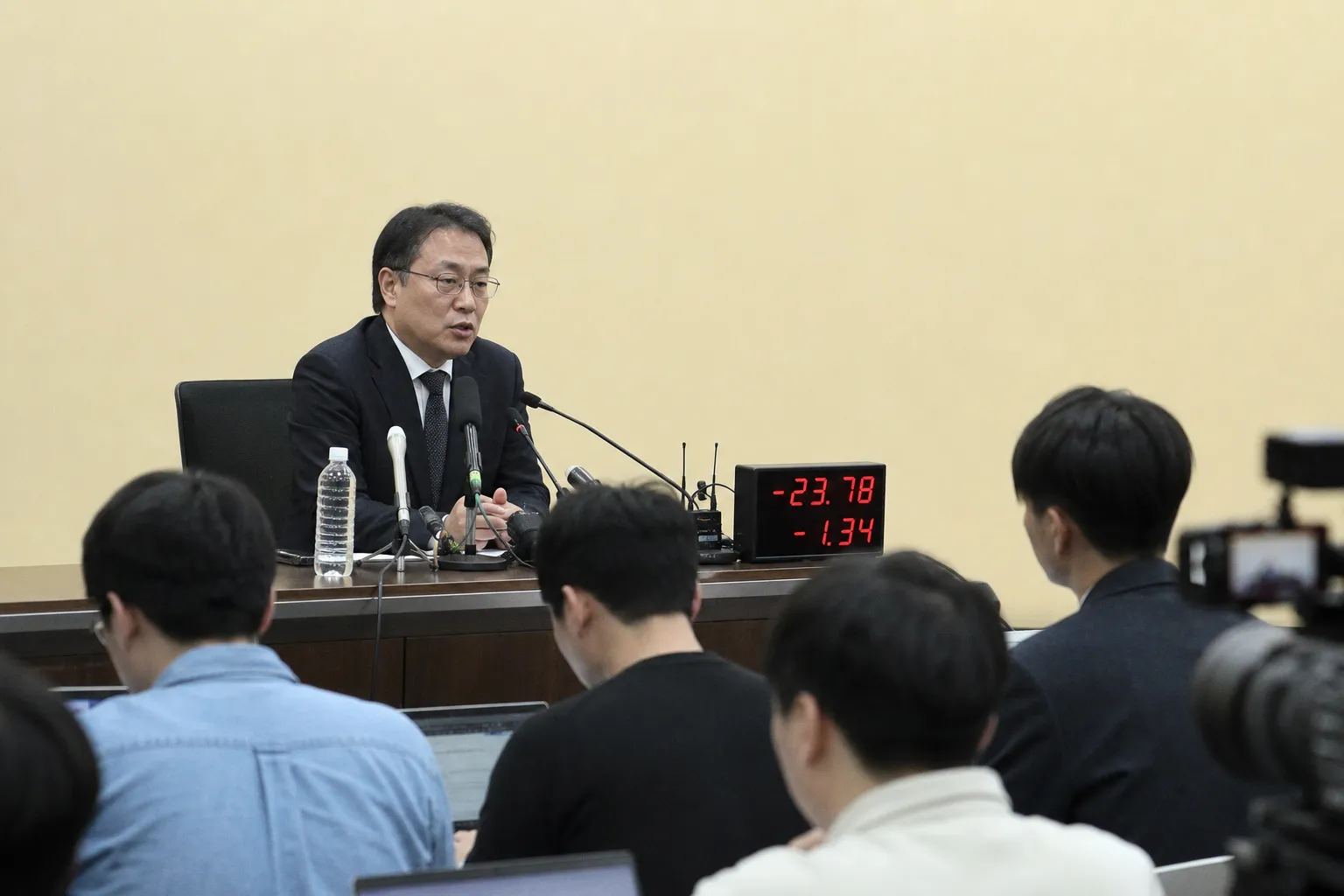
This isn't theoretical posturing. Lee directly named a Bitcoin overpayment incident from the first half of 2026 — exchanges that botched routine internal controls and bled user funds. That kind of operational failure has a direct line to trading desks: withdrawal bottlenecks, reconciliation delays, and frozen positions when ops teams scramble to patch what compliance should have caught. Lee framed it as a CEO-level responsibility, not a back-office checkbox. "The CEO holds the steering wheel," he said. Translation: when reconciliation breaks on a Sunday funding rate payout and your liquidation engine stalls, it goes straight up the chain. I've watched platforms hemorrhage trust over exactly these failure modes. No slick UI rebuilds that.
What Regulators Want Under the Hood
Lee's demand wasn't cosmetic. He specifically called out three poison pills: high-risk product launches chasing short-term volume, delayed disclosure when something breaks, and shifting damage onto users who did nothing wrong. That's the playbook I've flagged in Korea-heavy derivatives venues — copy-trading leverage wrappers, tokenized yield products with zero docs, and "flash events" that conveniently vanish when the chart goes the wrong way. He also told exchanges to bulk up market surveillance because "unfair trading in virtual assets could become larger in scale and more diverse in form." Manipulation on thin order books is systemic risk for anyone running size.
The Stablecoin and Institutional Access Play
Same afternoon, FSC Vice Chairman Kwon Dae-young laid out the macro picture at the 2026 Digital Asset Investment Insight Forum in Yeouido. Comprehensive legislation covering industry, market, and users is coming in H2. Won-denominated stablecoins are being prioritized as "programmable money." Corporate participation in digital asset markets is on the table. This matters for liquidity routing — Korean won pairs on compliant venues, tighter spreads, deeper books if institutional desks get green-lit.
What to Watch Before You Route Capital
- Reconciliation latency: If a Korean venue you're considering still takes hours on withdrawal audits, walk. Lee just made that a survival test.
- Product disclosure speed: Exchanges that bury risk disclosures in launch announcements are now in the crosshairs. Check their history on incident reporting.
- Surveillance tooling: Look for platforms publishing wash-trade detection and self-trade prevention metrics. Regulators asked for it publicly.
- Stablecoin rails: When won-pegged stablecoins ship, expect new pairs and arbitrage corridors. Latency advantage goes to exchanges already integrated, not the laggards playing catch-up.
- H2 legislation timing: The Digital Asset Basic Act and FX Transactions Act revisions will redraw who can onboard institutional accounts. Track it.
Bottom line: Seoul is forcing the weak hands out. That's good for execution quality on the survivors — but only if they actually deliver on the internal controls speech. I've seen too many exchanges nod at regulators and keep shipping junk. Capital doesn't lie. Neither does slippage.