South Korea Enforces 80% Cold Storage Rule to Curb Crypto Exchange Hacks
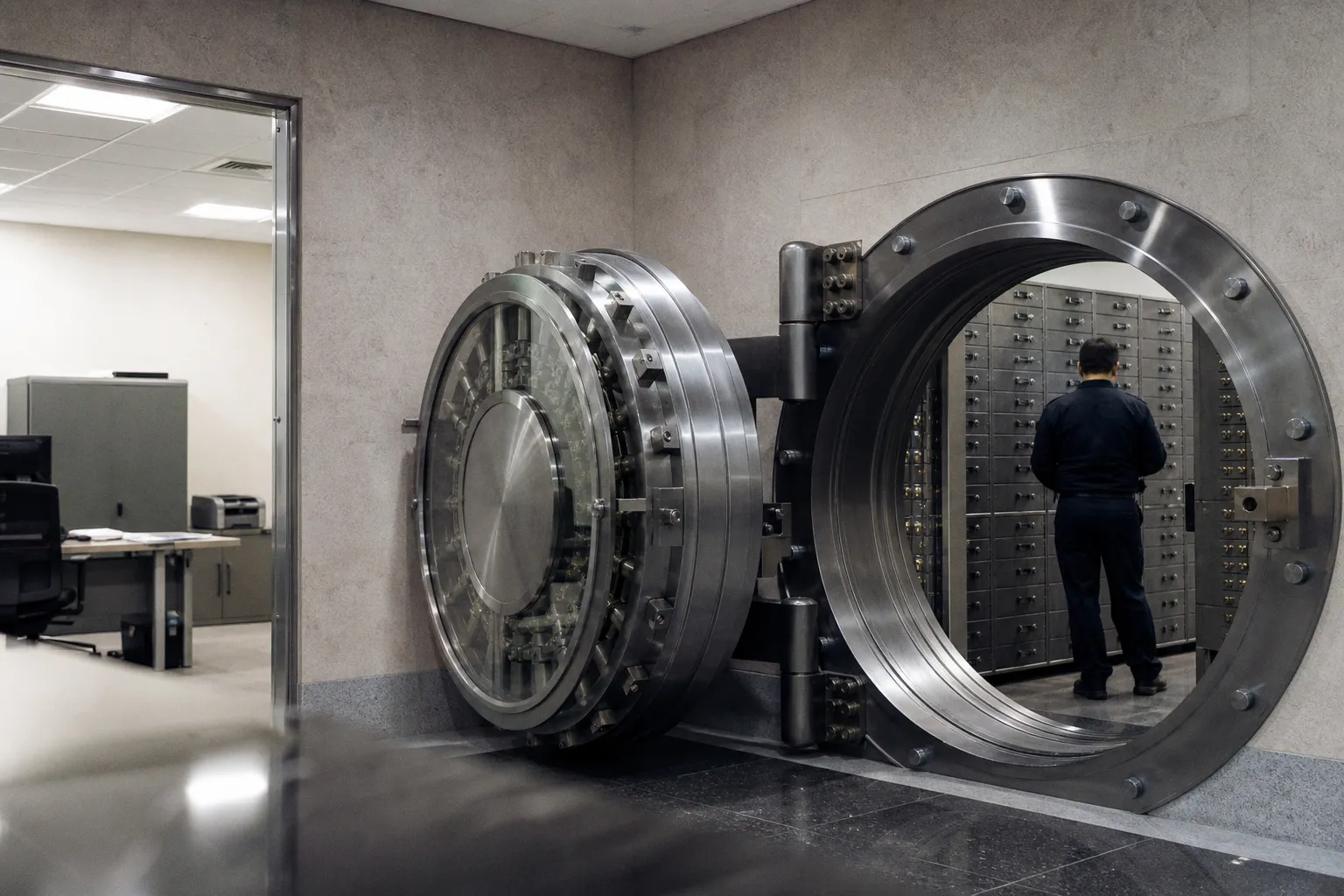
80% in cold storage. That's the new floor South Korea's Financial Services Commission just set for every domestic exchange — a hard mandate under updated enforcement decrees aimed squarely at hacking exposure.
For anyone parking serious capital on Korean platforms, this is the first real regulatory line drawn between your coins and a hot-wallet catastrophe.
What the FSC Actually Requires
No ambiguity here. Yonhap reports the FSC has implemented enforcement decrees requiring all domestic exchanges to hold at least 80% of user deposits in offline cold wallets. Not 80% of reserves, not a suggested best practice — 80% of user deposits, period. The stated goal is mitigating hacking risk, and for once the language matches the intent. Cold storage mandates have been floated before in various jurisdictions, but South Korea just codified it. That's a compliance obligation with teeth, not a press release.
For traders, this changes the counterparty math. If you're running size on a Korean venue, the platform can no longer keep most of your collateral sitting in a hot wallet ready to drain at the first smart-contract exploit or key compromise. The latency on withdrawals may increase — cold wallets aren't instant — but the liquidation engine risk just dropped significantly.
Regional Regulatory Momentum
This isn't happening in isolation. Japan's parliament just passed a major overhaul reclassifying crypto assets as financial instruments under the Financial Instruments and Exchange Act, pulling the sector out of the Payment Services Act framework. Insider trading prohibitions, higher penalties for unregistered operators — prison sentences reportedly jumping from three years to ten. The direction is clear: Asia-Pacific regulators are tightening the screws on centralized venue operations simultaneously.
Meanwhile, sixteen exchanges shut down in Afghanistan as authorities arrested dealers. The contrast is stark — one region building guardrails, another dismantling infrastructure entirely. For institutional capital routing through Asian venues, the compliance landscape is bifurcating fast.
What You Should Check Right Now
- Audit your venue's cold storage ratio. If the exchange you're using doesn't publish proof-of-reserves with a cold/hot breakdown, you're flying blind. Korean platforms now have to hit 80% — ask your non-Korean venue where they stand.
- Watch withdrawal latency. Mandated cold storage means funds aren't one block confirmation away. Stress-test your exit path before you need it.
- Reassess counterparty exposure. Platforms that fought transparency are about to face audit pressure. If your primary exchange has been vague about custodial practices, this is your signal to diversify.
South Korea just raised the bar. The question is whether other jurisdictions follow — and whether exchanges outside the mandate can survive the trust gap that comes with not meeting it.